EU policy on recycled metals exports must be based on evidence, not on promises to one side of the industry at the expense of another
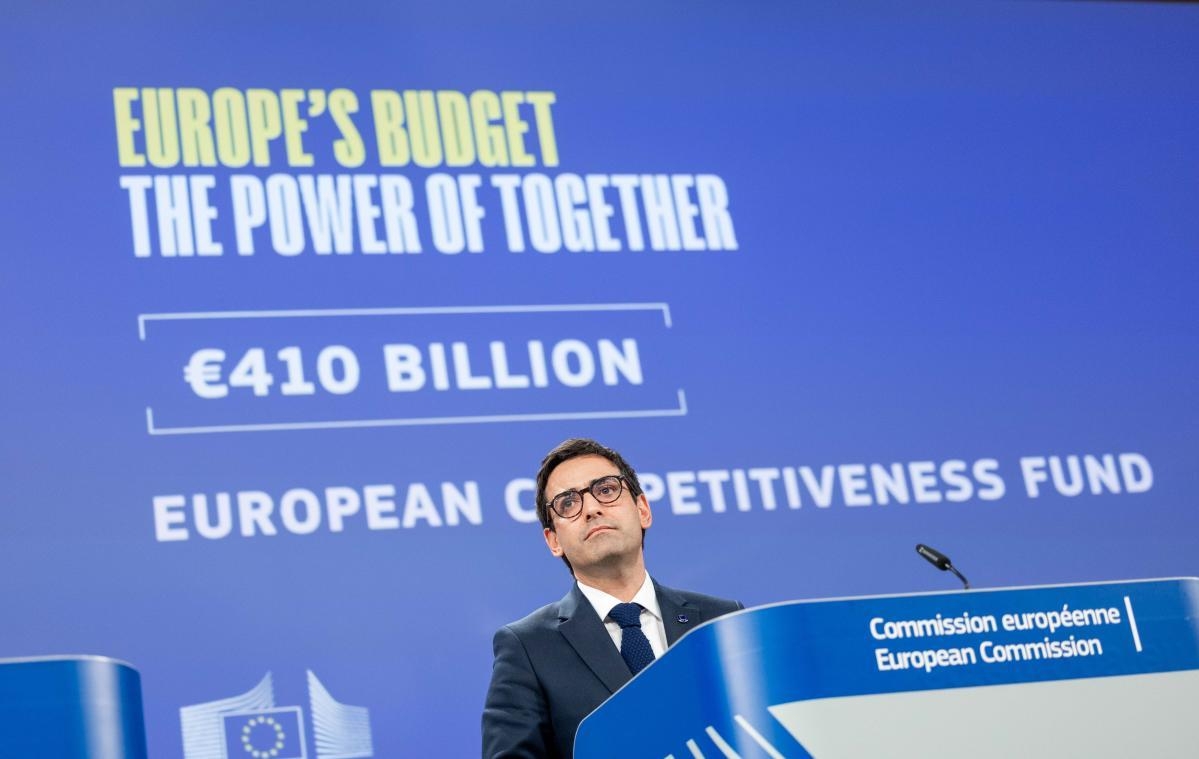
Dear Executive Vice-President Séjourné,
We are writing following your recent visit to Hydro because the Commission’s handling of recycled-metal policy has reached a point at which some basic questions need to be answered.
For months, possible restrictions on exports of recycled metals have been presented in the language of strategic autonomy, resource security, circularity and environmental protection. Yet on 11 September, following the withdrawal of a proposed EU trade measure intended to secure aluminium scrap for European industry, your cabinet reportedly stated that the EU’s policy objective remains to ensure that European smelters and aluminium producers have sufficient “affordable access” to recycled aluminium, and that the Commission had concluded that this objective could instead be achieved through export restrictions introduced “for environmental reasons” under the Waste Shipment Regulation.
Evidently, the issue is no longer whether Europe has sufficient recycled aluminium and how best to secure it. It is at what price European metal producers can obtain it. And the proposed answer appears to be to restrict the markets available to their suppliers – the EU recyclers.
Europe’s high energy costs are a serious industrial problem. They are not, however, a problem created by Europe’s recyclers, nor can they legitimately be solved at their expense. Exports of recycled materials are not the problem either. European recyclers supply the majority of their materials to European smelters and export only surplus material when domestic demand is insufficient or when international markets offer demand for particular grades and specifications that find no market in Europe. The Commission cannot simply point to gross export volumes while disregarding European generation, consumption, imports, grades, capacity and actual demand. Preventing or limiting recyclers from selling surplus material to international buyers does nothing to lower the price of electricity, cut red tape, improve smelting efficiency or correct Europe’s wider competitiveness problems. What it does is reduce competition for recycled material and artificially suppress scrap prices, providing metal producers with cheaper feedstock while undermining the business case for recycling companies that collect, sort and process it. As a result of its policy, Europe will eventually weaken the recycling businesses that will lack incentives to collect, sort and recover the material, declining investment and, ultimately, less recycled metal available to feed the very ‘empty’ furnaces policymakers claim they are trying to secure.
We also find the Commission’s approach increasingly difficult to reconcile with the purpose of the Waste Shipment Regulation (WSR). The revised Regulation was adopted to ensure environmentally sound management of waste, prevent the EU from exporting its waste problems, strengthen enforcement and improve traceability. It should not become an instrument for guaranteeing European manufacturers cheaper access to industrial feedstock, nor should legitimate metal recycling activities be treated as inherently hazardous in order to produce that economic outcome.
Yet the Commission is now publicly connecting these two objectives, and your visit to a major aluminium producer, with a global footprint, only reinforces our concerns. Aluminium producers have every right to defend their commercial interests. However, many are large companies with considerable market power compared with European recyclers, which, despite ongoing market consolidation, remain predominantly SMEs – the backbone of EU economy and equally deserving your support too.
Last but not least, recycling does not begin when aluminium reaches a smelter. Smelters undoubtedly play an important role in circular value chains, but it is European recyclers that collect, sort, prepare and process waste into the recycled materials that metal producers subsequently purchase.
We therefore ask you to call the problem by its name and shape European industrial policy based on evidence. If there is a shortage of recycled aluminium in Europe, publish the evidence. If exports are creating an environmental problem in destination countries, demonstrate it and apply the Waste Shipment Regulation on that basis. If European smelters cannot compete because of energy prices, address their energy and competitiveness problem. But if the objective is to reduce the price European manufacturers pay for recycled aluminium by restricting the alternative markets available to European recyclers, then the Commission should have the courage to say so and pursue that intervention under the appropriate economic and legal framework.
What it cannot credibly do is present an industrial feedstock-price objective as environmental policy simply because environmental legislation provides a convenient route to the desired market outcome. The Commission itself has stated that a policy objective concerning the affordability of feedstock for European industry can be achieved through restrictions introduced “for environmental reasons.” That deserves serious legal, economic and political scrutiny. It also makes the imbalance in political attention increasingly unacceptable. Large industrial consumers are given access at the highest level to argue for measures that would directly affect the prices and markets of their suppliers, while European recyclers have spent months presenting evidence on surplus material, insufficient domestic demand and the consequences of restricting international outlets. A large balance sheet does not confer ownership of European circular-economy policy. Nor does purchasing recycled material make a company representative of the industry that produces it. Recycling Europe represents that industry.
We are not asking you to stop listening to Hydro, primary aluminium producers, or European manufacturers. We are asking you to start listening equally to Europe’s recycling industry.
We therefore expect the Commission, before pursuing further restrictions, to explain precisely what problem it is seeking to solve, what evidence demonstrates that problem and what legal and economic assessment supports the proposed response. We equally expect the recycling industry to receive the same political consideration as the industrial groups seeking restrictions on its markets. In this context, we count on your support in ensuring that the Commission withdraws the proposed list of authorised non-OECD countries under the WSR and postpones any trade measure until the evidence necessary to justify exports restrictions on recycled metals has been produced and properly assessed.
Building a European resilient metals value chain is a shared goal across our industry. For decades, EU recyclers have been supporting the continent’s economy through investments and the supply of high-quality resources, and our members remain committed to doing so. But we need strong signals from the Commission too. The measures under the Industrial Accelerator Act (IAA) to boost demand for products made in Europe and accelerate the decarbonisation of European industry, are an important first step towards strengthening the metals value chain. But to deliver results in practice, the IAA and the upcoming Circular Economy Act (CEA) must provide incentives that stimulate demand for circular, and inherently low-carbon, materials. Like any other strategic industry, EU recyclers need more incentives and support, not additional regulatory burdens – especially when domestic demand for recycled metals remains insufficient.
Before any further measure affecting recycled-metal exports is pursued, we request a direct discussion with you on the evidence underlying the Commission’s approach. Policy of this magnitude must be based on evidence, not preferential access or promises to a particular industry.
Yours sincerely,
Julia Ettinger, Secretary General, Recycling Europe
Image copyrights: Producer : CE – Service audiovisuel
Photographer : Jennifer Jacquemart
Copyright: European Union , 2025