What we recycle

Plastics

Plastics are composed of polymers i.e., compounds made of many small molecules.

Ferrous metals

Ferrous metals, primarily composed of iron, include materials like steel and cast iron, which are commonly found in construction, manufacturing, and transportation.

Non-Ferrous metals

Non-ferrous metals, such as aluminum, copper, lead, zinc, and titanium, do not contain iron and are valued for their resistance to corrosion and high conductivity.

Paper

Recycled paper is a versatile material that can replace or supplement virgin pulp to create new products like packaging, newspapers, and insulation.

Textiles

Textiles, including both synthetic fibers like polyester and natural fibers like cotton, are integral to daily life, with global production nearly tripling since 1975.

Tyres

Tyres contain multiple valuable materials such as rubber (75%), steel (15%) and textile fibres (10%).

Construction & Demolition

Construction and demolition (C&D) waste includes materials like concrete, bricks, wood, metals, glass, plastics, and hazardous substances such as asbestos.

End-of-life Vehicles

End-of-life Vehicles (ELVs) contain valuable materials like metals (steel, aluminum), plastics, rubber, and glass, as well as batteries.

E-waste

E-waste, otherwise referred to as waste electronical and electronic equipment (WEEE), is mainly composed of non-ferrous metals (nickel, copper, lead, etc.

Ships

End-of-life ships are decommissioned vessels that contain valuable materials like steel, metals, and electronics, along with hazardous substances such as asbestos, oils, and toxic chemicals.

Who we are

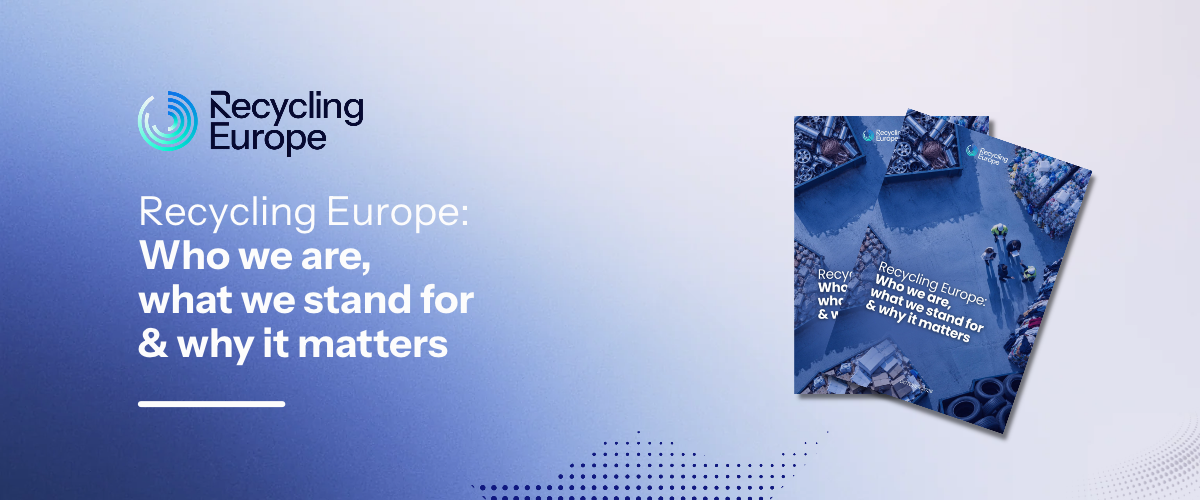
Recycling Europe's identity: Who we are, what we stand for & why it matters
At a time when Europe is placing circularity, resource security and industrial competitiveness at the heart of its political agenda, recognising the industry that turns these ambitions into reality has never been more important. For too long, recycling has been treated primarily as a subset of waste management, overlooking its distinct role as an industrial activity that transforms waste into valuable raw materials for European manufacturing. Yet waste management and recycling are not interchangeable concepts: while collection, sorting, treatment and disposal all have their place in managing waste, they do not necessarily constitute recycling, and activities such as incineration, even with energy recovery, cannot be equated with material circularity. As the EU prepares its next generation of circular economy legislation, these distinctions are essential to ensuring that policies support the industrial operations that genuinely keep materials in circulation.

Against this backdrop, Recycling Europe has published its Identity Statement, “Who we are, what we stand for & why it matters,” reaffirming the identity of recyclers as industrial producers of raw materials, highlighting their contribution to Europe’s competitiveness, decarbonisation and strategic autonomy, and calling for their proper recognition in the policies shaping Europe’s circular future.

View the publication

View the publication

Related Publications

Stay informed with our latest insights, anytime, anywhere.