What we recycle

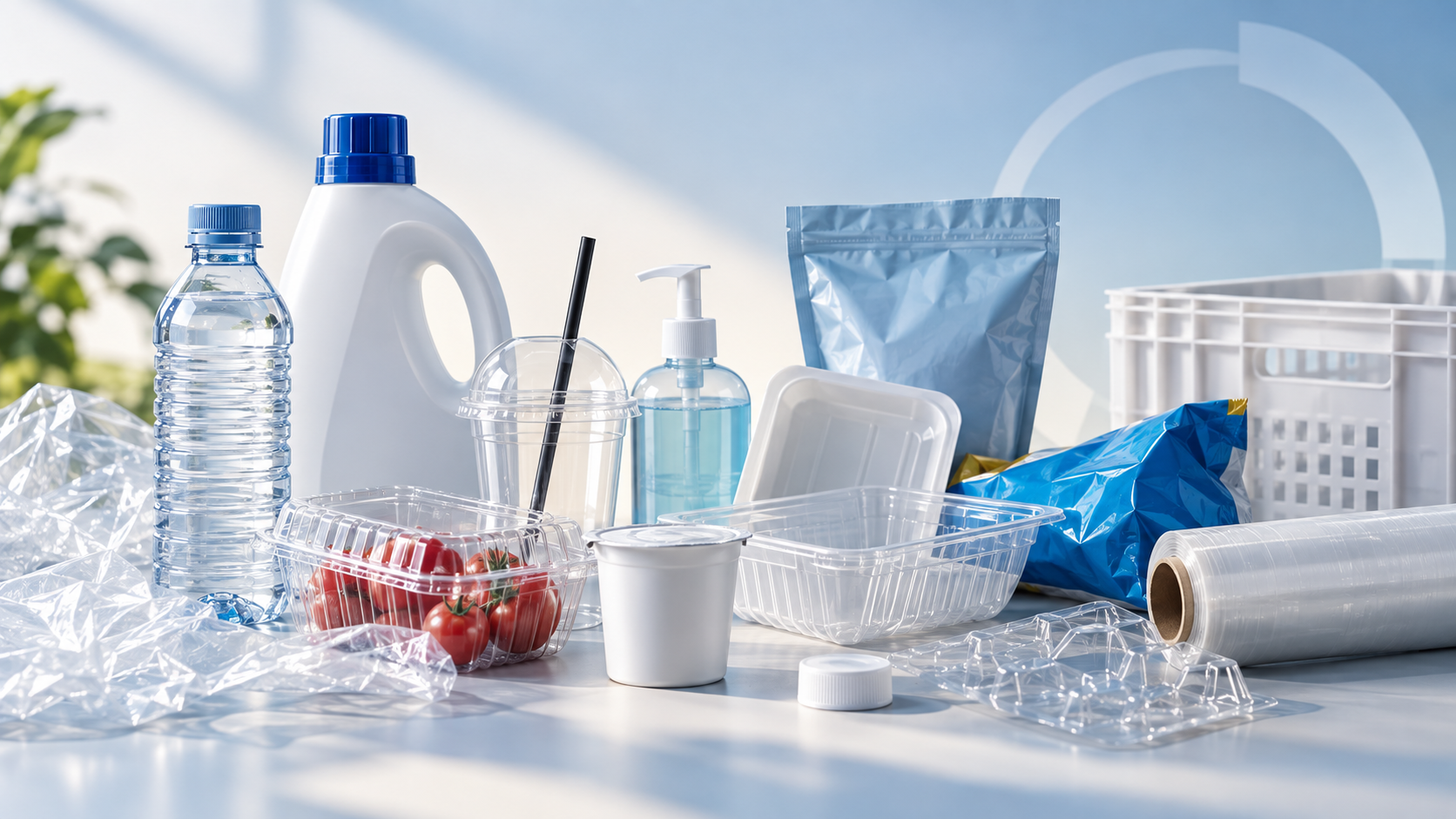
Plastics

Plastics are composed of polymers i.e., compounds made of many small molecules.

Ferrous metals

Ferrous metals, primarily composed of iron, include materials like steel and cast iron, which are commonly found in construction, manufacturing, and transportation.

Non-Ferrous metals

Non-ferrous metals, such as aluminum, copper, lead, zinc, and titanium, do not contain iron and are valued for their resistance to corrosion and high conductivity.

Paper

Recycled paper is a versatile material that can replace or supplement virgin pulp to create new products like packaging, newspapers, and insulation.

Textiles

Textiles, including both synthetic fibers like polyester and natural fibers like cotton, are integral to daily life, with global production nearly tripling since 1975.

Tyres

Tyres contain multiple valuable materials such as rubber (75%), steel (15%) and textile fibres (10%).

Construction & Demolition

Construction and demolition (C&D) waste includes materials like concrete, bricks, wood, metals, glass, plastics, and hazardous substances such as asbestos.

End-of-life Vehicles

End-of-life Vehicles (ELVs) contain valuable materials like metals (steel, aluminum), plastics, rubber, and glass, as well as batteries.

E-waste

E-waste, otherwise referred to as waste electronical and electronic equipment (WEEE), is mainly composed of non-ferrous metals (nickel, copper, lead, etc.

Ships

End-of-life ships are decommissioned vessels that contain valuable materials like steel, metals, and electronics, along with hazardous substances such as asbestos, oils, and toxic chemicals.

Who we are

21 January 2020

EuRIC comments on the Roadmap for a New Circular Economy Action Plan

The European recycling industry, as highlighted in its 5 top priorities for 2019-2024, strongly welcomes the European Commission’s renewed ambition to put, thanks to the European Green Deal, the Circular Economy and Climate policy on top of its strategic priorities for the next 5 years. Recycling is a job-intensive industry, creating local, non-outsourceable jobs, which is both resource and climate efficient. To move towards climate-neutrality and speed up the transition towards a circular economy, it is absolutely essential to drastically change important policy and regulatory-drivers applicable to recycling activities and throughout the value chain, based on three equally important priorities:

  1. Adapt legislation to circular material flows by inter alia “modernizing (…) certain waste laws”;
  2. Lay down market and fiscal based-instruments to incentivise the use of raw materials from recycling and level the playing field with primary materials;
  3. Put in place requirements and incentives to design circular products and empower consumers’ sustainable choices through proper labelling.

These three priorities are essential to develop a much needed EU market for secondary raw materials rightly identified in the Roadmap as problem to be tackled.

Related Publications

Stay informed with our latest insights, anytime, anywhere.