What we recycle

Plastics

Plastics are composed of polymers i.e., compounds made of many small molecules.

Ferrous metals

Ferrous metals, primarily composed of iron, include materials like steel and cast iron, which are commonly found in construction, manufacturing, and transportation.

Non-Ferrous metals

Non-ferrous metals, such as aluminum, copper, lead, zinc, and titanium, do not contain iron and are valued for their resistance to corrosion and high conductivity.

Paper

Recycled paper is a versatile material that can replace or supplement virgin pulp to create new products like packaging, newspapers, and insulation.

Textiles

Textiles, including both synthetic fibers like polyester and natural fibers like cotton, are integral to daily life, with global production nearly tripling since 1975.

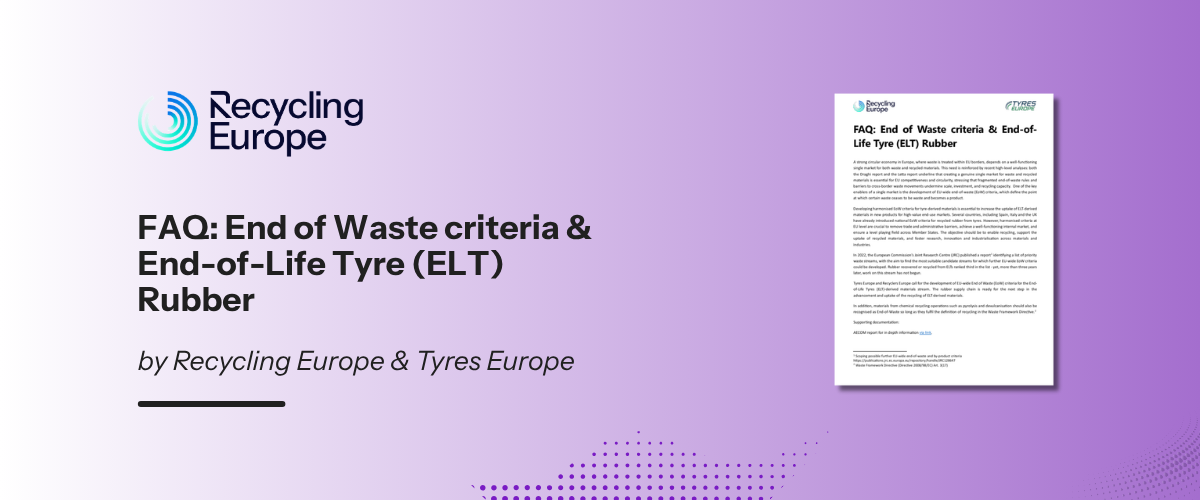
Tyres

Tyres contain multiple valuable materials such as rubber (75%), steel (15%) and textile fibres (10%).

Construction & Demolition

Construction and demolition (C&D) waste includes materials like concrete, bricks, wood, metals, glass, plastics, and hazardous substances such as asbestos.

End-of-life Vehicles

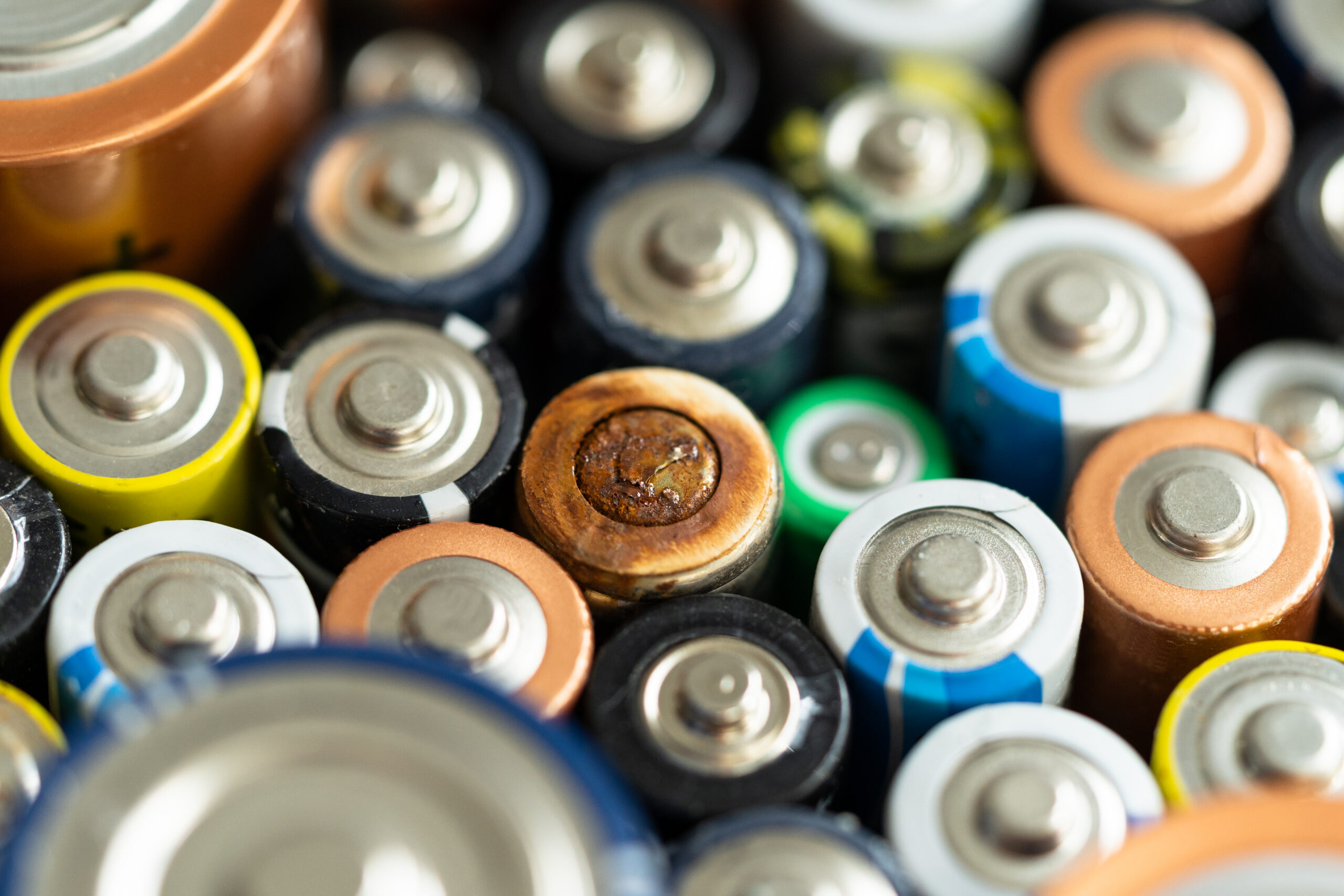
End-of-life Vehicles (ELVs) contain valuable materials like metals (steel, aluminum), plastics, rubber, and glass, as well as batteries.

E-waste

E-waste, otherwise referred to as waste electronical and electronic equipment (WEEE), is mainly composed of non-ferrous metals (nickel, copper, lead, etc.

Ships

End-of-life ships are decommissioned vessels that contain valuable materials like steel, metals, and electronics, along with hazardous substances such as asbestos, oils, and toxic chemicals.

Who we are

1 February 2021

EuRIC reaction to the IIA of the Designing mobile phones and tablets to be sustainable initiative

Improving the design of products is a pre-condition to transition towards a circular economy. Improving the design of products is a pre-condition to transition towards a circular economy. As it has already been highlighted in the report released by the European RecyclingIndustries’ Confederation (EuRIC) named “Top 5 Priorities of the Recycling Industry for thePeriod 2019 -2024”, 80% of products’ environmental impact are determined at a design stage.

Although the above-mentioned fact is also stated in the Circular Economy Action Plan 2.0 (CEAP), the vast majority of products placed on the EU market – and not only – are still designed without any consideration for their end-of-life stage. Design for circularity is therefore of an outmost importance to move towards a more circular economy and needs to be extended to all products’ categories, including mobile phones and tablets.

EuRIC thus fully supports the necessary Designing Mobile Phones and Tablets to be Sustainable Legislative Initiative to keep the already exploited resources in the market for as long as possible by connecting the dots between the design and end-of-life (EoL) phase of products.

Read the top priorities identified by EuRIC in the linked document.
Related Publications

Stay informed with our latest insights, anytime, anywhere.