What we recycle

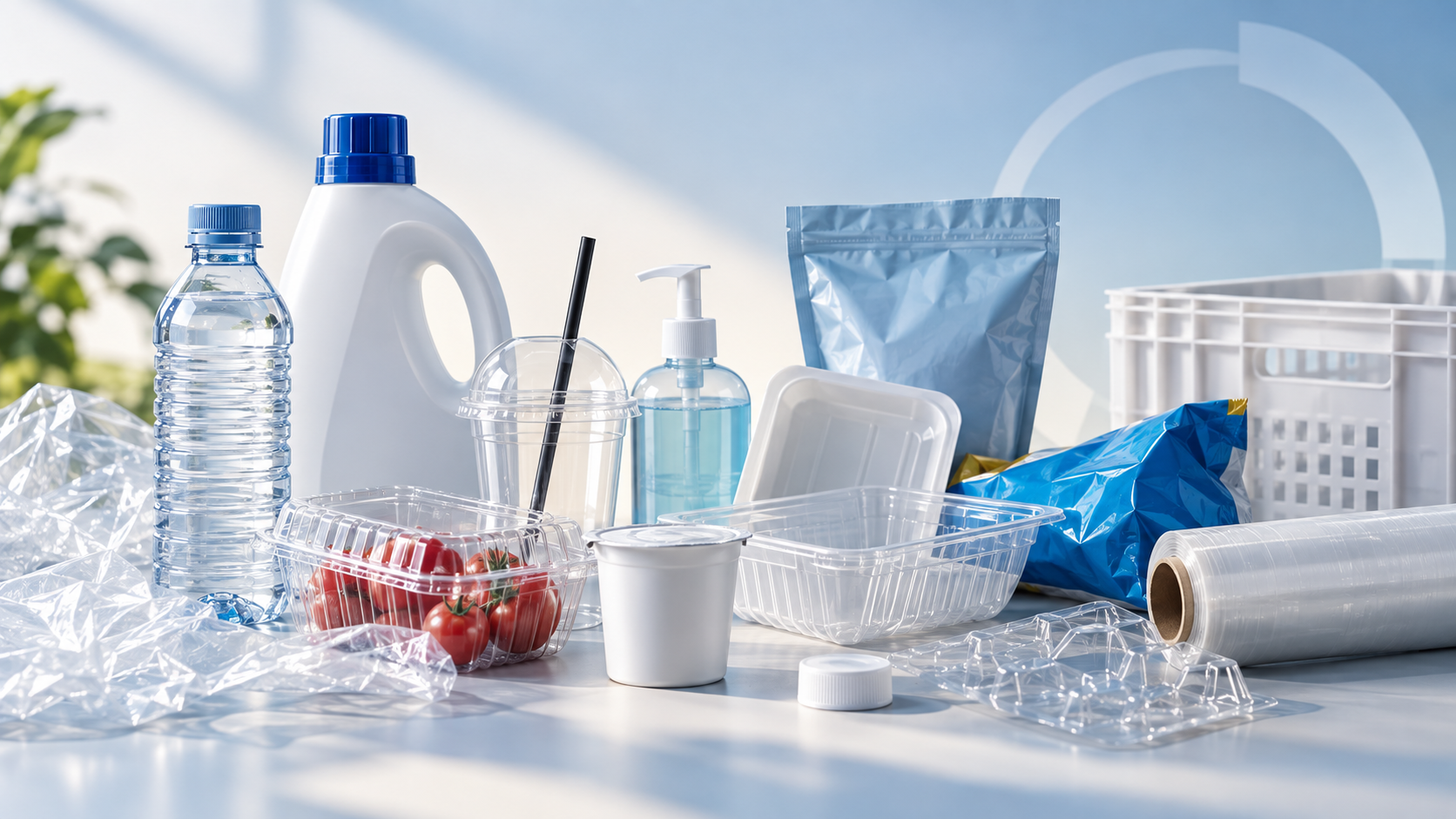
Plastics

Plastics are composed of polymers i.e., compounds made of many small molecules.

Ferrous metals

Ferrous metals, primarily composed of iron, include materials like steel and cast iron, which are commonly found in construction, manufacturing, and transportation.

Non-Ferrous metals

Non-ferrous metals, such as aluminum, copper, lead, zinc, and titanium, do not contain iron and are valued for their resistance to corrosion and high conductivity.

Paper

Recycled paper is a versatile material that can replace or supplement virgin pulp to create new products like packaging, newspapers, and insulation.

Textiles

Textiles, including both synthetic fibers like polyester and natural fibers like cotton, are integral to daily life, with global production nearly tripling since 1975.

Tyres

Tyres contain multiple valuable materials such as rubber (75%), steel (15%) and textile fibres (10%).

Construction & Demolition

Construction and demolition (C&D) waste includes materials like concrete, bricks, wood, metals, glass, plastics, and hazardous substances such as asbestos.

End-of-life Vehicles

End-of-life Vehicles (ELVs) contain valuable materials like metals (steel, aluminum), plastics, rubber, and glass, as well as batteries.

E-waste

E-waste, otherwise referred to as waste electronical and electronic equipment (WEEE), is mainly composed of non-ferrous metals (nickel, copper, lead, etc.

Ships

End-of-life ships are decommissioned vessels that contain valuable materials like steel, metals, and electronics, along with hazardous substances such as asbestos, oils, and toxic chemicals.

Who we are

2 February 2021

EuRIC Updated Position on EPR Schemes for Textiles

In 2020, the volume of separate collected textiles in the EU-27 was estimated to be between 1.6 and 2.5 million tons (MT). What is currently a self-financing system through revenues generated by the preparation for re-use and the marketing of second-hand textiles[1] will drastically change in the future. For example, 87% of German collectors have reported an average decline in quality due to the increased presence of impurities or inferior quality of the textiles they receive[2]. It is therefore much needed to encourage the development of further markets for used textiles but also recycled fibres. One of the policy tools to strengthen the textile re-use and recycling market is an extended producer responsibility scheme (EPR) as introduced by the Waste Framework Directive 2008/98/EC (WFD). Extended producer responsibility schemes are a set of measures taken by Member States to ensure that producers of textiles would bear the financial responsibility for the management of the waste stage of the textile’s life cycle.

[1] GftZ: Hintergründe und Strategien zum Aufbau eines Systems für eine „Erweiterte Produzentenverantwortung für Textilien“ (2019)

[2] Bvse Textilstudie (2020)
Related Publications

Stay informed with our latest insights, anytime, anywhere.