What we recycle

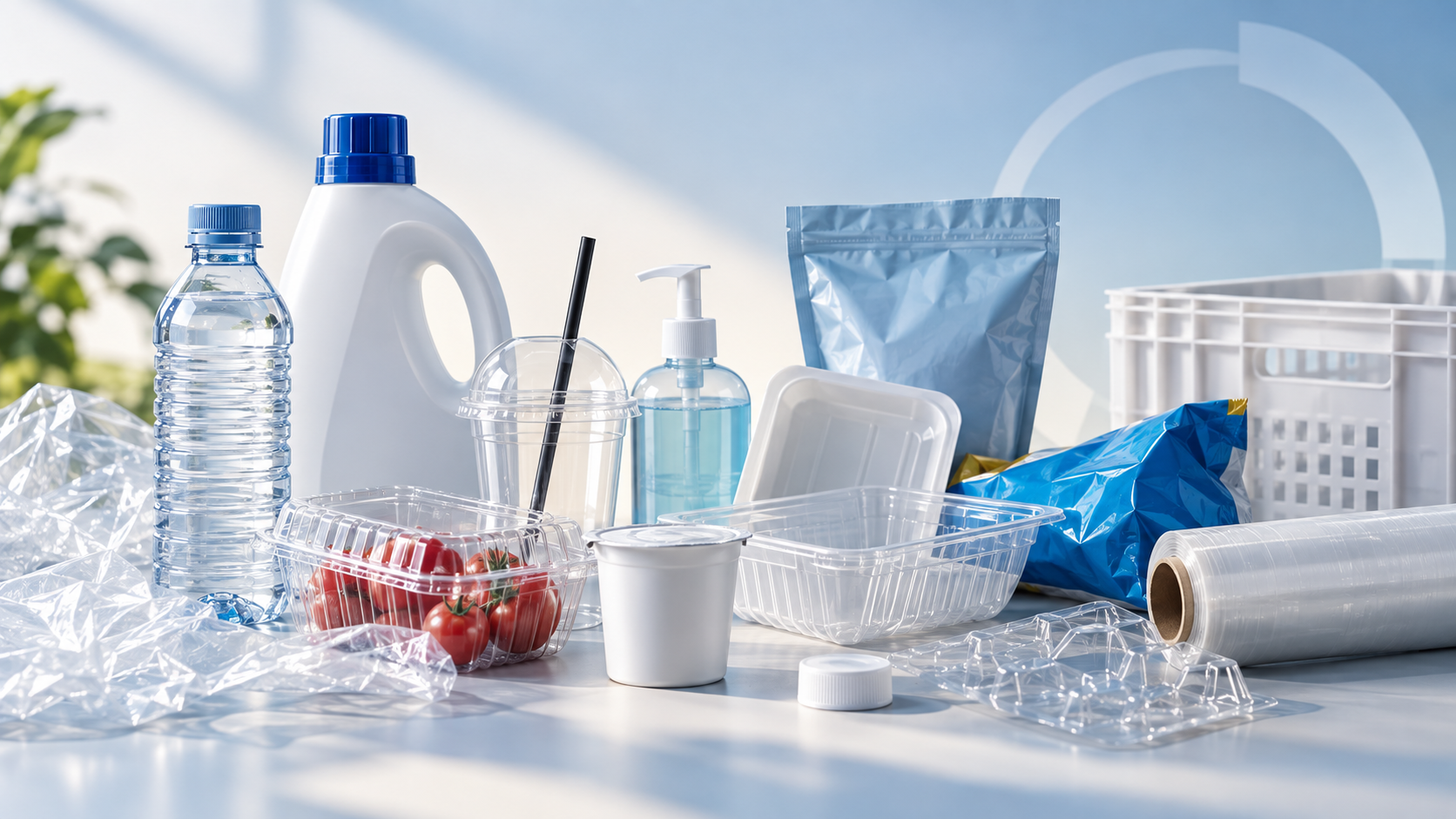
Plastics

Plastics are composed of polymers i.e., compounds made of many small molecules.

Ferrous metals

Ferrous metals, primarily composed of iron, include materials like steel and cast iron, which are commonly found in construction, manufacturing, and transportation.

Non-Ferrous metals

Non-ferrous metals, such as aluminum, copper, lead, zinc, and titanium, do not contain iron and are valued for their resistance to corrosion and high conductivity.

Paper

Recycled paper is a versatile material that can replace or supplement virgin pulp to create new products like packaging, newspapers, and insulation.

Textiles

Textiles, including both synthetic fibers like polyester and natural fibers like cotton, are integral to daily life, with global production nearly tripling since 1975.

Tyres

Tyres contain multiple valuable materials such as rubber (75%), steel (15%) and textile fibres (10%).

Construction & Demolition

Construction and demolition (C&D) waste includes materials like concrete, bricks, wood, metals, glass, plastics, and hazardous substances such as asbestos.

End-of-life Vehicles

End-of-life Vehicles (ELVs) contain valuable materials like metals (steel, aluminum), plastics, rubber, and glass, as well as batteries.

E-waste

E-waste, otherwise referred to as waste electronical and electronic equipment (WEEE), is mainly composed of non-ferrous metals (nickel, copper, lead, etc.

Ships

End-of-life ships are decommissioned vessels that contain valuable materials like steel, metals, and electronics, along with hazardous substances such as asbestos, oils, and toxic chemicals.

Who we are

21 October 2021

Importance of free, fair and sustainable trade for commodity-grade metal scrap

Europe’s metal recycling industry is one of the fastest growing industries, providing local, non-outsourceable jobs.  Composed of SMEs and large players, it offers a unique infrastructure of facilities and processing plants spread all over Europe. Metal recyclers supply steel mills, smelters and foundries located in and outside Europe with commodity-grade metal scrap from recycling, thus playing an essential role in the circularity and climate-neutrality of metals.

Given their intrinsic properties, metals are indefinitely recyclable, making them circular by nature. In addition, the recycling of end-of-life products containing metals is climate-efficient. When compared with raw materials extraction often mined in non-EU countries subject to lower human rights, health and environmental standards, metal recycling saves massive amounts of CO2. Steel, aluminum and copper recycling save respectively 58%, 92% and 65% of CO2 emissions, to name only a few. However, prices still fail to reward these environmental benefits, thus EuRIC calls for incentives to correct this market failure and direct investments in circular value chains. More importantly, metals are valuable making them unlikely to be littered or removed when reaching end-of-life stage but collected and recovered to close new material cycles. Thus, unwanted metal waste is not a problematic stream.
Related Publications

Stay informed with our latest insights, anytime, anywhere.