What we recycle

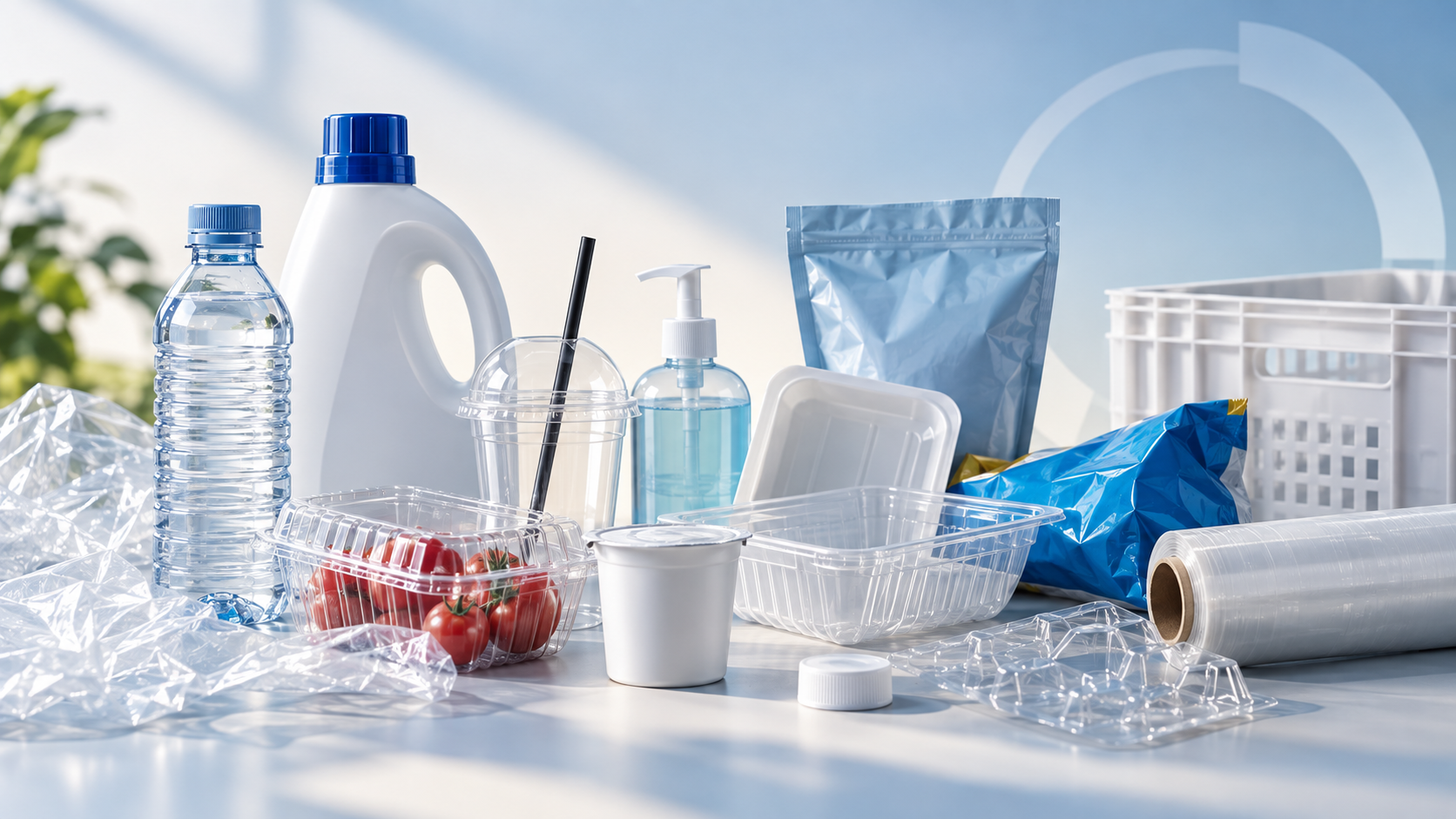
Plastics

Plastics are composed of polymers i.e., compounds made of many small molecules.

Ferrous metals

Ferrous metals, primarily composed of iron, include materials like steel and cast iron, which are commonly found in construction, manufacturing, and transportation.

Non-Ferrous metals

Non-ferrous metals, such as aluminum, copper, lead, zinc, and titanium, do not contain iron and are valued for their resistance to corrosion and high conductivity.

Paper

Recycled paper is a versatile material that can replace or supplement virgin pulp to create new products like packaging, newspapers, and insulation.

Textiles

Textiles, including both synthetic fibers like polyester and natural fibers like cotton, are integral to daily life, with global production nearly tripling since 1975.

Tyres

Tyres contain multiple valuable materials such as rubber (75%), steel (15%) and textile fibres (10%).

Construction & Demolition

Construction and demolition (C&D) waste includes materials like concrete, bricks, wood, metals, glass, plastics, and hazardous substances such as asbestos.

End-of-life Vehicles

End-of-life Vehicles (ELVs) contain valuable materials like metals (steel, aluminum), plastics, rubber, and glass, as well as batteries.

E-waste

E-waste, otherwise referred to as waste electronical and electronic equipment (WEEE), is mainly composed of non-ferrous metals (nickel, copper, lead, etc.

Ships

End-of-life ships are decommissioned vessels that contain valuable materials like steel, metals, and electronics, along with hazardous substances such as asbestos, oils, and toxic chemicals.

Who we are

Free allocation needs to incentivise circularity for the EU to reach net zero

In the concept note of its Expert Group on Climate Change Policy, the Commission is proposing an extension of the hot metal benchmark to direct reduced iron (DRI) that will lead to wildly different allocation amounts depending on the feedstock and production process of flat steel products. This proposal not only fails to address lawmakers’ instructions given in the amended ETS Directive, but it deliberately disqualifies scrap use as a decarbonisation measure alongside others such as DRI made from hydrogen. The use of scrap has undisputable climate benefits, roughly reducing emissions by 2 tonnes of CO2 per tonne of steel scrap used. It also saves other scarce resources such as electricity compared to other techniques such as hydrogen DRI. Its use should therefore be encouraged at least as much as other abatement techniques .EuRIC and Sandbag think that the upcoming reform of the Free Allocation Regulation has the capacity to speed up decarbonisation, but only if the right incentives are set.
Download the publication

Download

Related Publications

Stay informed with our latest insights, anytime, anywhere.