Recycling Europe hails Commission pivot on aluminium scrap exports, calls for constructive dialogue
Brussels, 10 September 2026 – Recycling Europe welcomes the European Commission’s decision to step back from the proposed trade measure that could restrict exports of recycled aluminium (scrap). The decision provides an opportunity for a constructive discussion on how to strengthen the competitiveness of the entire European aluminium value chain.
We are relieved to see that the EU Commission has taken into account the new realities that will be determining the flow of recycled materials. From 2027, the Waste Shipment Regulation (WSR) will significantly change the conditions governing waste exports, including through new audit requirements and restrictions on exports to non-OECD countries. In parallel, new CN codes for aluminium scrap will provide more granular and reliable information on trade flows. Introducing additional restrictions before the impact of these changes can be assessed would therefore have been premature.
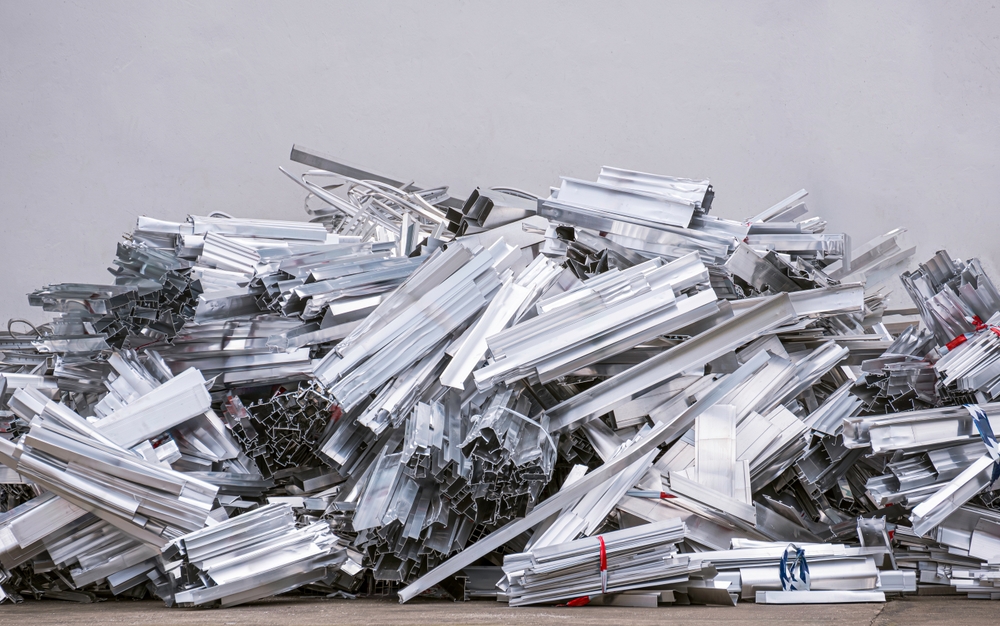
Europe’s recycling industry – one of the success stories of the EU’s industrial base -, produces approximately 6.2 million tonnes of recycled aluminium annually, around 80% of which is consumed in Europe. Exports provide a necessary outlet for volumes for which sufficient European demand does not exist. Restricting this outlet without evidence of a structural shortage risks depressing the value of recycled materials, reducing investment and ultimately weakening European recycling capacity.
Julia Ettinger, Secretary General of Recycling Europe, said: “Europe cannot strengthen its strategic autonomy by weakening its recycling industry. Recycling gives Europe access to materials already within its own economy, reducing its reliance on virgin resources and external supply. Restricting exports will not solve the high energy and labour costs, regulatory burdens or weak demand facing European aluminium manufacturing. It would simply shift the problem from one part of Europe’s industrial value chain to another.”
Recycling Europe therefore calls for continued dialogue across the aluminium value chain and for any future measures to be based on the impact of the new WSR, improved trade data and clear evidence of market conditions. A resilient European aluminium value chain requires competitive recycling and competitive manufacturing. European policy must strengthen both.