
New EU draft non-OECD list puts Europe’s metal recyclers at risk as major Asian markets face exclusion

Brussels, 18 September 2026 – Recycling Europe strongly condemns the European Commission’s proposed treatment of ferrous and non-ferrous metal waste under its draft list of non-OECD countries published today, which would effectively shut EU recycled metals out of major non-OECD Asian markets.
The consequences for European recyclers could be severe, and equally concerning is the reasoning used to justify such a far-reaching measure. The Commission points to the potential presence of toxic heavy metals, the non-degradable nature of metals and the alleged environmental risks associated with shredding, smelting and refining as grounds for subjecting metal waste streams to particular scrutiny.
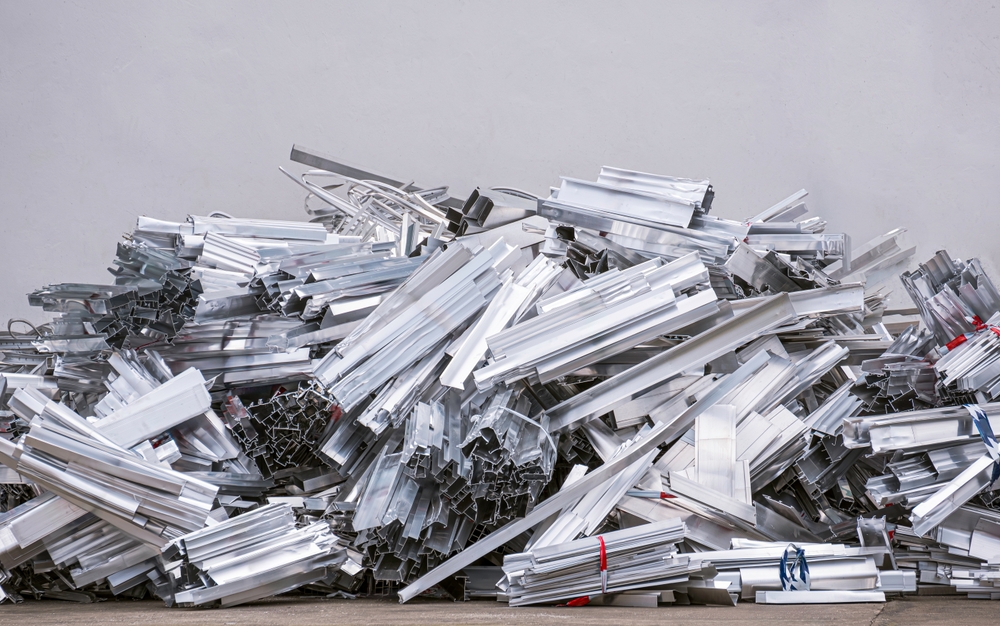
This blanket characterisation is technically incorrect and deeply dismissive of an industry that has spent decades investing in advanced recycling technologies, worker safety, environmental performance and some of the world’s highest operating standards. It also overlooks what those investments deliver: around 100 million tonnes of recycled steel and 6.2 million tonnes of recycled aluminium every year, alongside other valuable metals that are recovered and returned to the economy instead of being lost or replaced through primary extraction.
Ferrous and non-ferrous metal waste is not inherently hazardous. EU legislation and the Waste Shipment Regulation (WSR) already distinguish between hazardous and non-hazardous waste according to its actual composition and properties and provide the controls necessary to manage the associated risks. The new WSR was supposed to take that evidence-based approach further. It created a process for non-OECD countries to demonstrate their ability to manage specific waste streams under conditions equivalent to those required in the EU. The draft now risks turning that logic on its head. Rather than starting with the waste stream and the conditions under which it will be treated, metals appear to start from a presumption of higher risk which third countries must then overcome.
“The environmental assessment must lead to the decision, not be used to justify one already taken. If a country cannot demonstrate environmentally sound management of a particular waste stream, its application should be rejected. But an entire category of non-hazardous recycled materials cannot simply be treated as an environmental problem by default,” said Julia Ettinger, Secretary General of Recycling Europe.
The argument that metals warrant particular concern because they are “non-degradable” is especially difficult to understand. Their permanence is precisely why we recycle them. Metals can be recovered and recycled repeatedly while retaining their material value. Turning one of the fundamental advantages of metal recycling into an argument for restricting recycled metals is a remarkable contradiction, and it is not the only one. India would effectively be excluded as a destination for EU ferrous and non-ferrous metal waste, while the Commission is simultaneously considering adding two Indian ship recycling yards using beaching – a practice not permitted in the EU – to the European List of approved ship recycling facilities.
“Apparently, India may be considered suitable to dismantle an entire end-of-life ship, but not to receive non-hazardous metal waste for recycling. European metal recyclers are entitled to ask how these two positions can possibly sit together,” Ettinger added.
Europe’s recyclers already supply the vast majority of the metals they produce to EU manufacturers, with only around 20% exported. But those exports are essential outlets for surplus volumes that European demand cannot absorb. Closing international markets will not create demand in Europe. If European metal producers do not absorb the available volumes, restricting exports instead leaves recyclers with fewer outlets, lower material values and growing surpluses. Ultimately, that threatens the economics of collecting, sorting and recycling waste in Europe in the first place.
At a time when Europe is trying to strengthen its circular economy and reduce its reliance on primary resources, putting the viability of the recyclers producing those resources at risk is difficult to reconcile with the EU’s own objectives.
Recycling Europe is calling on the Commission to reassess the treatment of ferrous and non-ferrous metal waste and ensure that the final list is based on the actual risks of specific waste streams and the demonstrated conditions in receiving countries and facilities, and not on heavy political pressure and a general presumption against metals.
Note to editor: Recycling Europe (formerly EuRIC) is the voice of Europe’s recycling industry, including 84 national federations and companies across 25 countries across Europe. From metals and paper to plastics, textiles, tyres, ships, construction & demolition waste, WEEE and ELVs, our members transform waste into resources—powering Europe’s circular economy, ensuring resource autonomy, and boosting competitiveness and sustainable industrialisation across the continent. For press-related enquiries, please contact Zoi Didili, Recycling Europe’s Senior Public Affairs & Communications Advisor, by email at zdidili@recyclingeurope.org or by phone at +32 (0) 489 09 46.