What we recycle

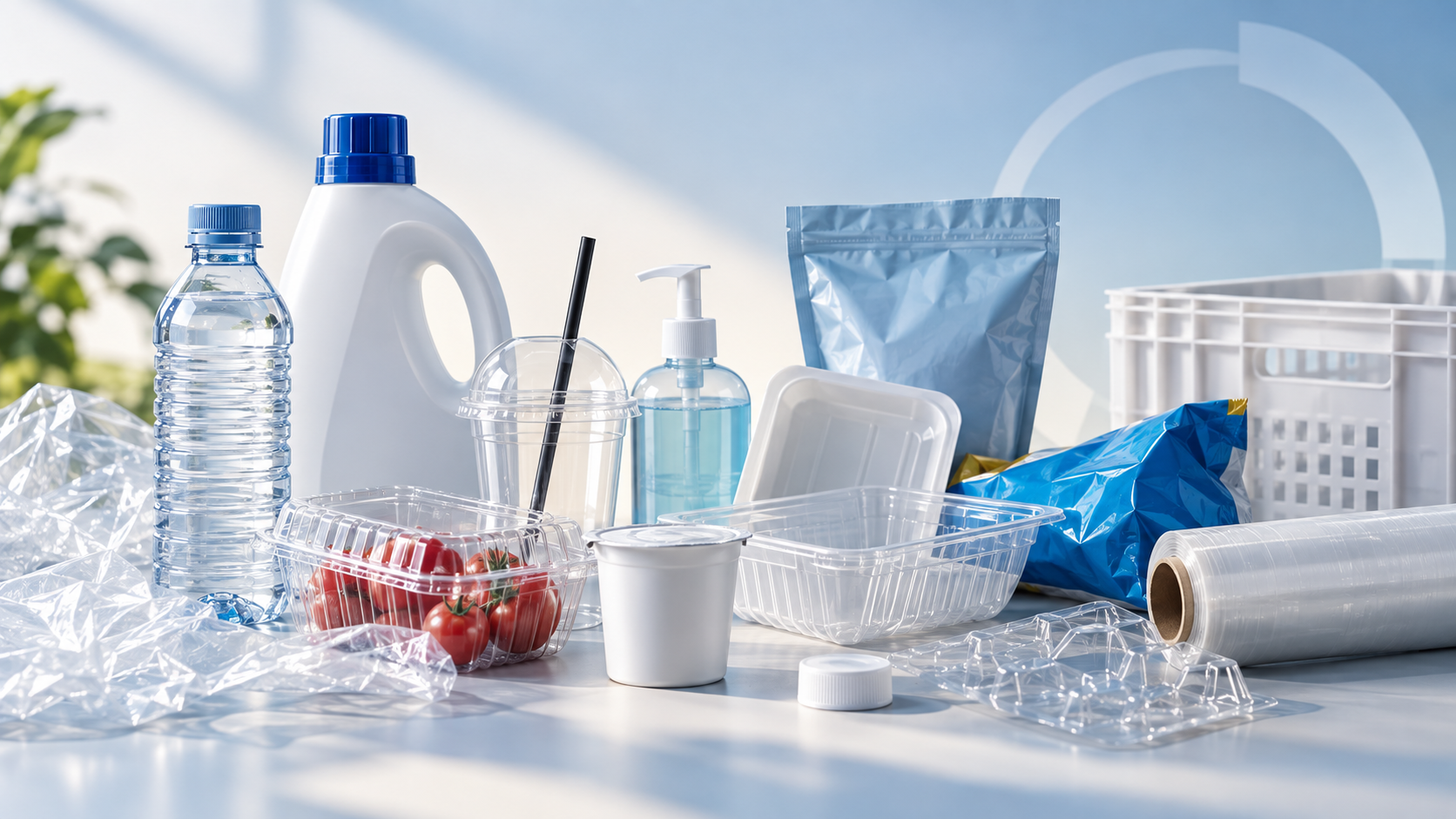
Plastics

Plastics are composed of polymers i.e., compounds made of many small molecules.

Ferrous metals

Ferrous metals, primarily composed of iron, include materials like steel and cast iron, which are commonly found in construction, manufacturing, and transportation.

Non-Ferrous metals

Non-ferrous metals, such as aluminum, copper, lead, zinc, and titanium, do not contain iron and are valued for their resistance to corrosion and high conductivity.

Paper

Recycled paper is a versatile material that can replace or supplement virgin pulp to create new products like packaging, newspapers, and insulation.

Textiles

Textiles, including both synthetic fibers like polyester and natural fibers like cotton, are integral to daily life, with global production nearly tripling since 1975.

Tyres

Tyres contain multiple valuable materials such as rubber (75%), steel (15%) and textile fibres (10%).

Construction & Demolition

Construction and demolition (C&D) waste includes materials like concrete, bricks, wood, metals, glass, plastics, and hazardous substances such as asbestos.

End-of-life Vehicles

End-of-life Vehicles (ELVs) contain valuable materials like metals (steel, aluminum), plastics, rubber, and glass, as well as batteries.

E-waste

E-waste, otherwise referred to as waste electronical and electronic equipment (WEEE), is mainly composed of non-ferrous metals (nickel, copper, lead, etc.

Ships

End-of-life ships are decommissioned vessels that contain valuable materials like steel, metals, and electronics, along with hazardous substances such as asbestos, oils, and toxic chemicals.

Who we are

Revision of the rules on single-use plastics (SUPD): EU Recyclers’ recommendations

In this paper, Recycling Europe sets out a series of recommendations to strengthen the implementation of the Single-Use Plastics Directive (SUPD) and to support forthcoming legislation aimed at advancing the circular economy for plastics:

  • Strengthen 2030 PET Targets: Increase the mandatory recycled content in PET bottles to 50% rPET
    to accelerate the transition towards a circular plastics economy.
  • Short-Term Demand Measures: Introduce a bonus system for recycled content exceeding 25% and
    implement safeguard measures on imported virgin PET to protect EU operators from unfair
    competition.
  • Robust Enforcement and Penalties: Ensure that penalties for non-compliance exceed the economic
    advantage of non-compliance, thereby reinforcing legislative integrity and incentivising investment
    in recycled materials.
  • Prioritisation of Recycling Technologies: Promote recycling technologies based on their carbon
    footprint and environmental performance to ensure efficient achievement of recycled content
    obligations.
  • EU-Origin Recycled Materials: Support the use of recycled plastics derived from EU-collected and
    recycled waste, reducing dependence on imports and strengthening the internal recycling market.
  • Mirror Clauses and Import Compliance: Ensure rigorous enforcement of mirror clauses for non-EU
    recyclers through on-site audits, random border checks, and harmonized sanctions, guaranteeing
    that imported plastics comply with EU environmental and quality standards

Download the publication

Download