



Publication hub
- All Publications
- Position papers/letters
- Press releases & statements
- Public consultations & recommendations
- Reports & studies

Europe’s Recyclers’ recommendations for a robust PPWR framework for recycled content in plastic packaging
The implementation of the Packaging and Packaging Waste Regulation (PPWR), alongside other EU legislation such as the Single Use Plastics Directive (SUPD) and the End-of-Life Vehicles Regulation (ELVR), will determine whether the EU succeeds in creating a competitive market in Europe for recycled plastics and in strengthening demand for European-made recycled plastics. The three pieces […]
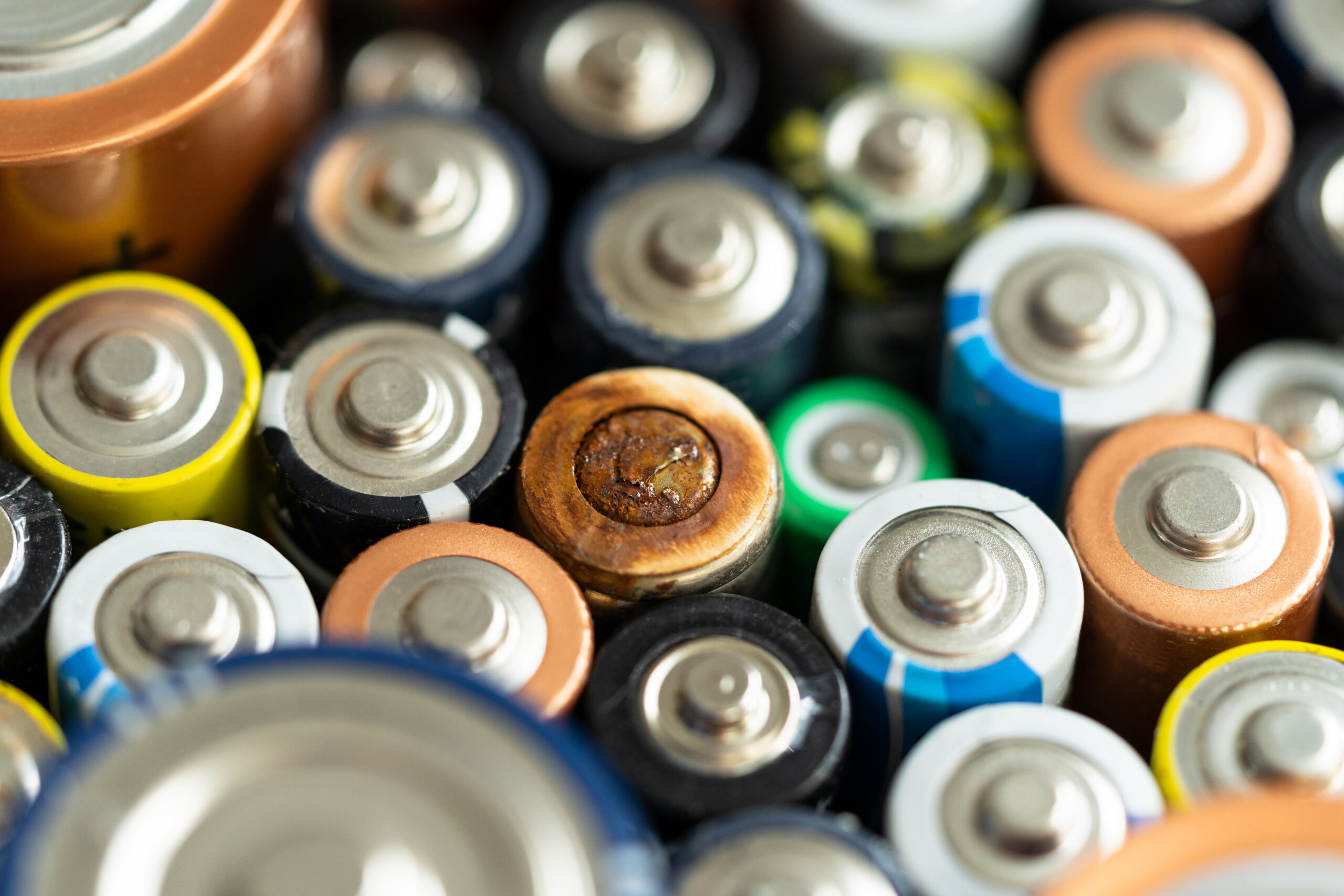
EU Recyclers’ views on the calculation and verification of recycled content in batteries
Executive Summary The rules for the calculation and verification of recycled content in batteries can play in important role in stimulating demand for recycled materials sourced within the EU, and strengthening the EU market for recycled materials, while enabling brands to make credible recycled content claims. In this context, Recycling Europe welcomes the draft Delegated […]

Putting recycled materials at the centre of the Critical Raw Materials Centre: Recycling Europe’s response to the European Commission’s Call for Evidence
Introduction Securing access to Critical Raw Materials (CRM) is crucial to strengthening Europe’s resilience and competitiveness. The creation of the CRM-Centre (CRM-C) is therefore a step in the right direction. This new EU body could help create demand for recycled materials, a much-needed element to scale recycling capacities in Europe. But for this, the CRM-C […]

Joint recommendations for unleashing the circular potential of inert Construction and Demolition Waste
Construction and Demolition Waste (CDW) is the largest waste stream in the EU, accounting for over a third of all waste generated. As such, it plays a pivotal role in achieving the EU’s circularity and decarbonisation objectives, and particularly the goal of doubling the circular material use rate by 2030, as outlined in the Clean […]
Recycling Europe’s guide for a Circular Economy Act that delivers
EU Recyclers’ DO’s and DON’TS for the CEA Circularity is no longer a niche environmental ambition. It is fast becoming a defining pillar of Europe’s industrial strategy. Amid mounting geopolitical pressures, volatile supply chains, and climate emergencies, the ability to retain materials, reduce resource dependence, and lower emissions has moved to the core of EU […]

Revision of the rules on single-use plastics (SUPD): EU Recyclers’ recommendations
In this paper, Recycling Europe sets out a series of recommendations to strengthen the implementation of the Single-Use Plastics Directive (SUPD) and to support forthcoming legislation aimed at advancing the circular economy for plastics:
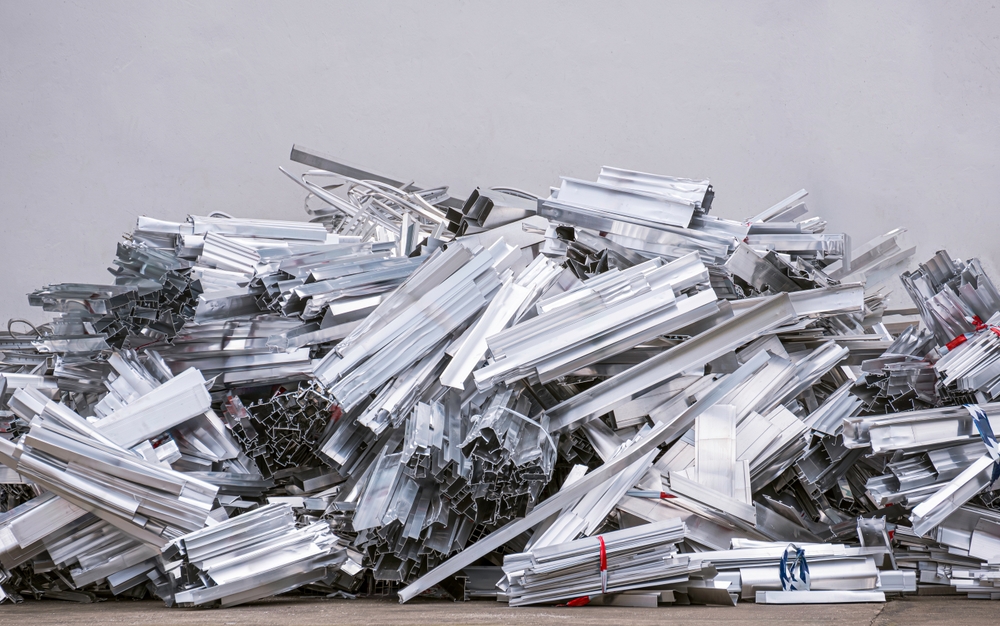
Recycling Europe’s feedback on the Call for Evidence:“EU aluminium sector – trade measure to ensure sufficient availability of aluminium scrap on the EU market”
As the EU explores options to reinforce industrial competitiveness and material security, it is essential thatpolicy choices are grounded in robust evidence and a holistic view of the value chain. Europe’s metalrecycling industry already plays a critical role in supplying high-quality recycled materials, exceedingdomestic demand and contributing to a positive trade balance. Against this backdrop, […]

EU Waste Shipment Regulation: What’s changing for EU waste exports?
The new EU Waste Shipment Regulation (EU WSR) was published in the EU Official Journal on 30 April and entered into force on 20 May 2024. This Regulation has been adopted as part of the EU Green Deal and new Circular Economy Action Plan with the aim to (1) ensure environmentally sound management of waste generated […]

PPWR: EuRIC’s voting guide for the plenary session
Ahead of the plenary vote on the pivotal revision of the PPWR, EuRIC shares its key recommendations: Support for AM 435: Robust Methodology Ensuring That Recycled Content Placed on the EU Market Actually Comes from Recycling EuRIC fully endorses AM 435, laying out a robust methodology to guarantee that recycled materials in products are genuinely […]