


Publication hub
- All Publications
- Position papers/letters
- Press releases & statements
- Public consultations & recommendations
- Reports & studies
EU policy on recycled metals exports must be based on evidence, not on promises to one side of the industry at the expense of another
Dear Executive Vice-President Séjourné, We are writing following your recent visit to Hydro because the Commission’s handling of recycled-metal policy has reached a point at which some basic questions need to be answered. For months, possible restrictions on exports of recycled metals have been presented in the language of strategic autonomy, resource security, circularity and […]

Europe’s Recyclers’ recommendations for a robust PPWR framework for recycled content in plastic packaging
The implementation of the Packaging and Packaging Waste Regulation (PPWR), alongside other EU legislation such as the Single Use Plastics Directive (SUPD) and the End-of-Life Vehicles Regulation (ELVR), will determine whether the EU succeeds in creating a competitive market in Europe for recycled plastics and in strengthening demand for European-made recycled plastics. The three pieces […]

New EU draft non-OECD list puts Europe’s metal recyclers at risk as major Asian markets face exclusion
Brussels, 18 September 2026 – Recycling Europe strongly condemns the European Commission’s proposed treatment of ferrous and non-ferrous metal waste under its draft list of non-OECD countries published today, which would effectively shut EU recycled metals out of major non-OECD Asian markets. The consequences for European recyclers could be severe, and equally concerning is the […]

Joint Statement on draft delegated act on the Green-Listing Initiative for Waste Shipments
The signatories to this statement represent companies and industries operating across the European recycling ecosystem. Our members are active at different stages of the circular value chain, including the collection, sorting, pre-treatment and processing of end-of-life products and waste, as well as the smelting and refining of metals and other secondary raw materials. Together, our […]
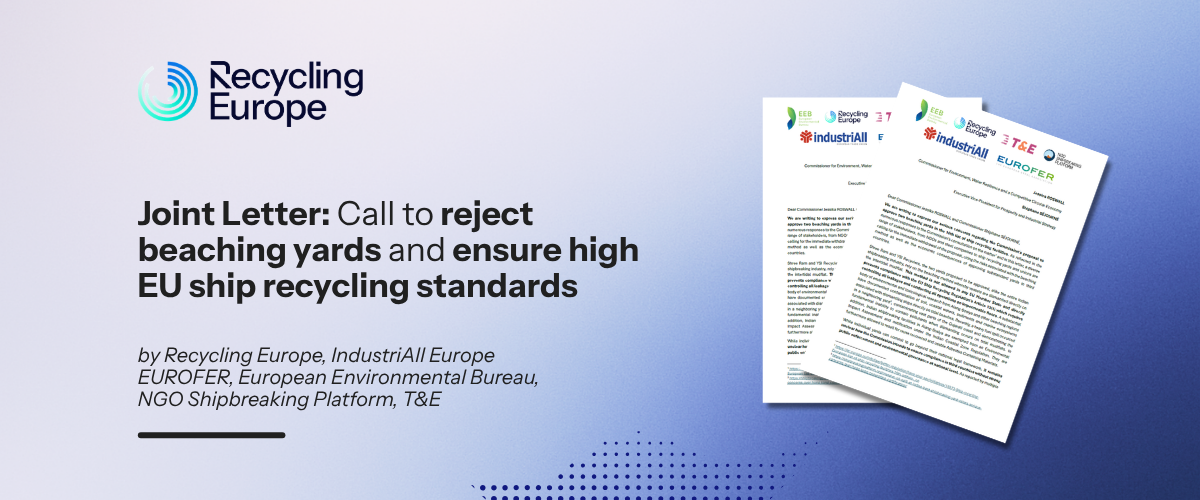
Joint Letter: Call to reject Indian beaching yards from the EU Ship Recycling List
Dear Commissioner Jessika ROSWALL and Commissioner Stéphane SÉJOURNÉ, We are writing to express our serious concerns regarding the Commission’s proposal to approve two beaching yards in the 16th list of ship recycling facilities. As reflected in the numerous responses to the Commission’s consultation on the matter1 and in this letter, a diverse range of stakeholders, […]
Recycling Europe hails Commission pivot on aluminium scrap exports, calls for constructive dialogue
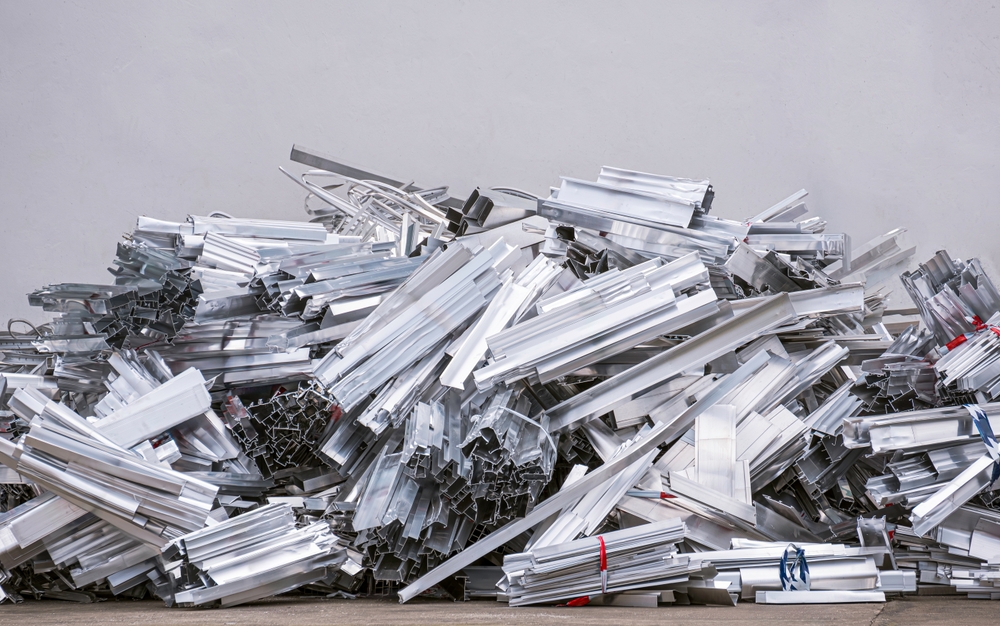
Brussels, 10 September 2026 – Recycling Europe welcomes the European Commission’s decision to step back from the proposed trade measure that could restrict exports of recycled aluminium (scrap). The decision provides an opportunity for a constructive discussion on how to strengthen the competitiveness of the entire European aluminium value chain. We are relieved to see […]

Presse release : AMI Compounding & Recycling Expo prepares to welcome the plastics industry to Frankfurt later this month
FRANKFURT, GER – 10 September 2026 – The plastics compounding and recycling industries will gather at Messe Frankfurt, Germany, on 23-24 September 2026 for the AMI Compounding & Recycling Expo, a free-to-attend event bringing together technology suppliers, materials companies, recyclers, processors, brand owners and industry experts from across the plastics value chain. The event combines a major exhibition with […]
EU Recyclers’ views on the calculation and verification of recycled content in batteries
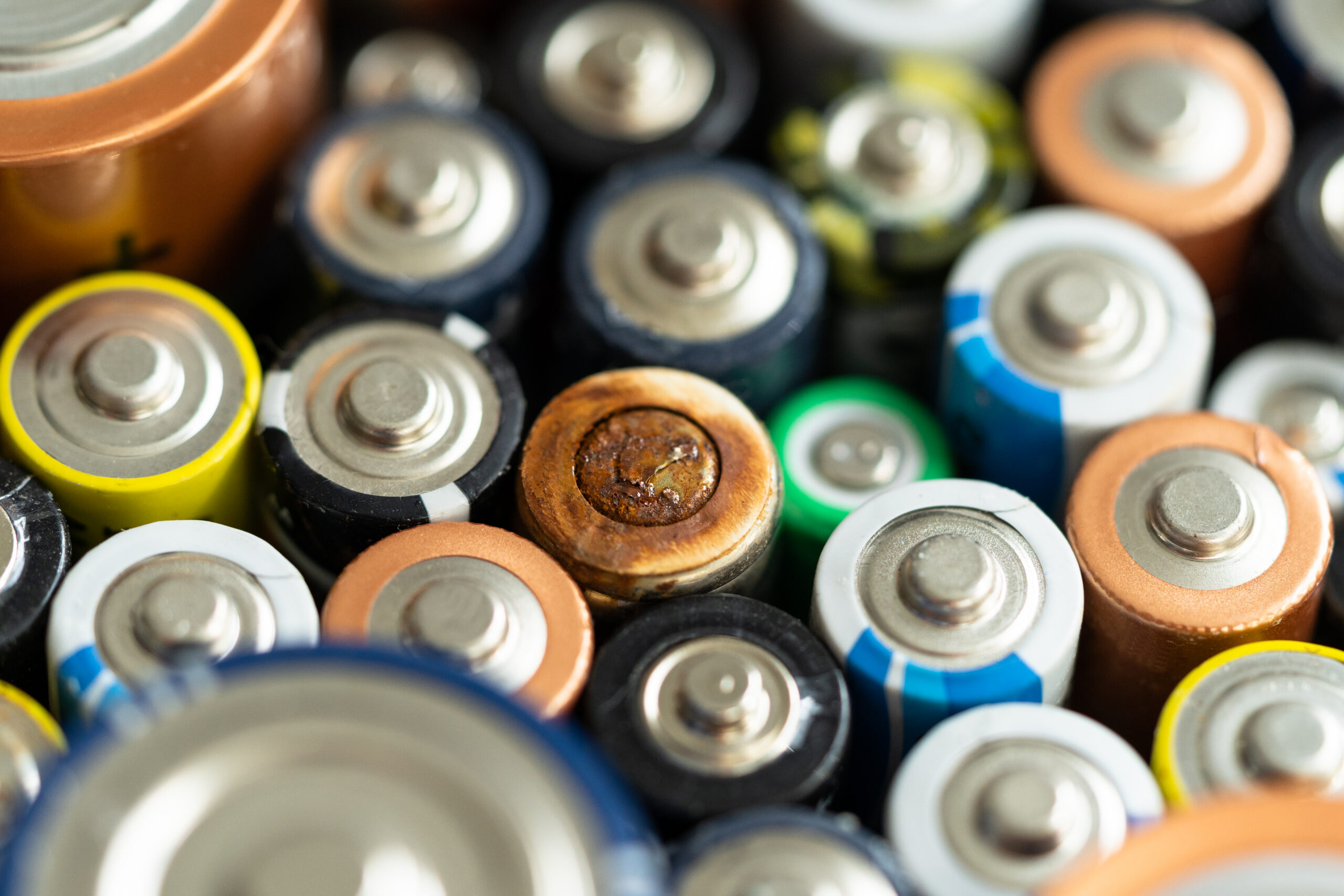
Executive Summary The rules for the calculation and verification of recycled content in batteries can play in important role in stimulating demand for recycled materials sourced within the EU, and strengthening the EU market for recycled materials, while enabling brands to make credible recycled content claims. In this context, Recycling Europe welcomes the draft Delegated […]
FAQ: End of Waste criteria & End-of-Life Tyre (ELT) Rubber
A strong circular economy in Europe, where waste is treated within EU borders, depends on a well-functioning single market for both waste and recycled materials. This need is reinforced by recent high‑level analyses: both the Draghi report and the Letta report underline that creating a genuine single market for waste and recycled materials is essential […]